Portland, before it forgot itself
A city that rebuilds every thirty years has to be read backwards — through its bridges, its plats, and the paper it threw away.
By Neil Madison · Portland, Oregon
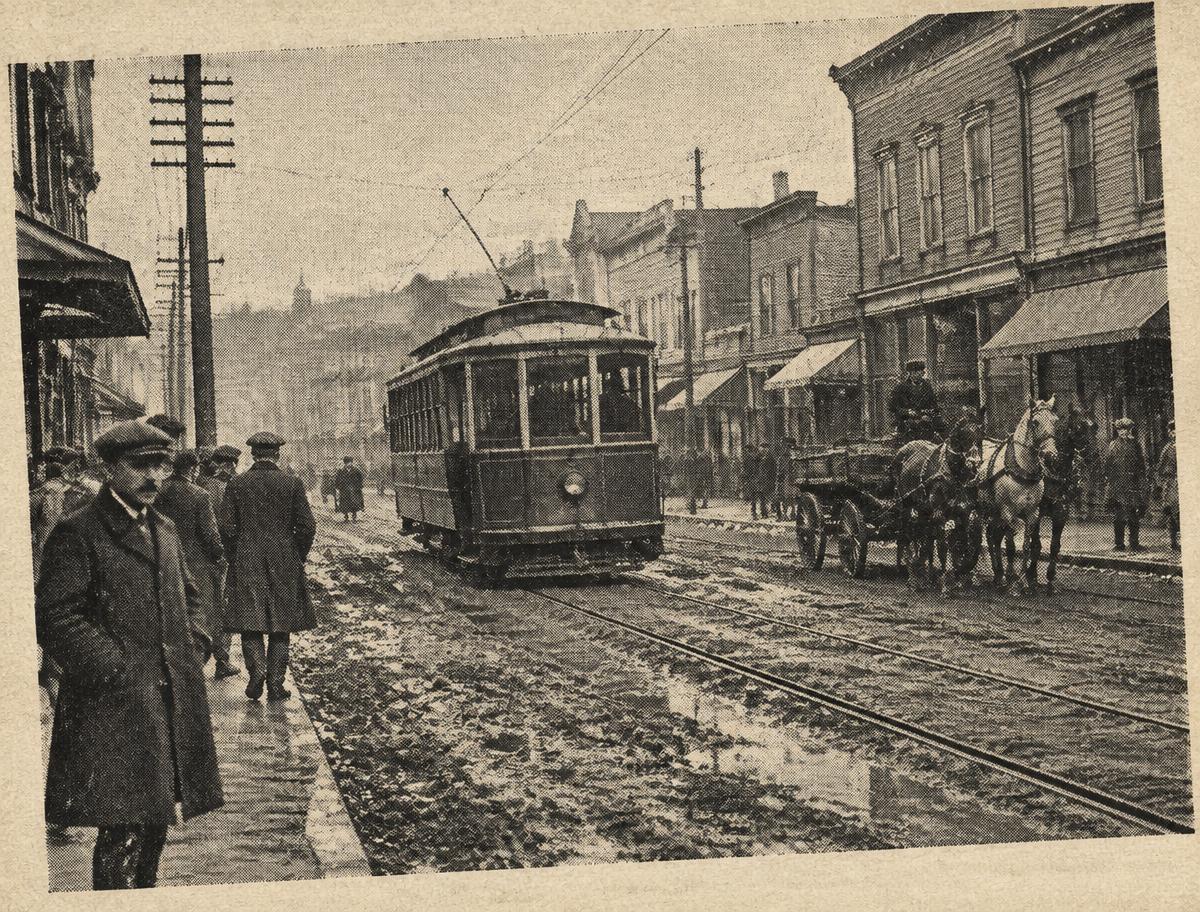
Portland has torn itself down and rebuilt so often that the city keeps mistaking its own memory for rumor. The river was dug and straightened. The rail yards moved. A neighborhood called the Village was cleared, and the people who lived there are now a footnote in a transit study. Every few decades somebody invents a new Portland and quietly retires the last one.
I work the other direction. I start with the paperwork — a plat map, a streetcar timetable, a photograph of a building nobody can name — and I follow it until it says something the brochure doesn't. Portland was founded in 1845 and named for Portland, Maine on the strength of a coin toss, which tells you something honest about how the place was made: not planned, wagered.
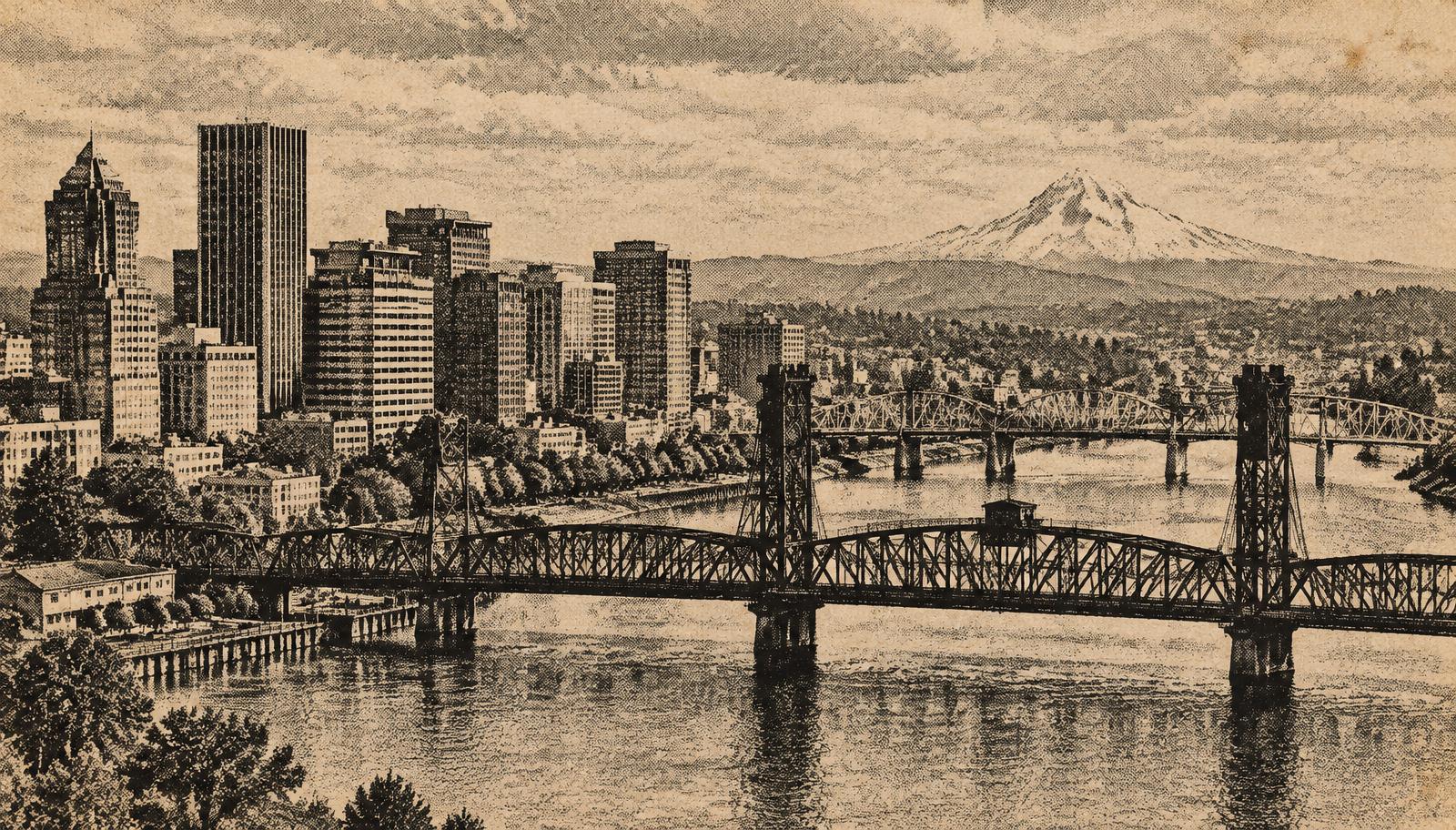
The bridges are the clearest place to read it. The first one, the Morrison, opened in 1887 and instantly split the city's loyalties. Four years later the Madison Street Bridge swung open on the alignment the Hawthorne Bridge still uses. Each span was an argument about where the city thought its center was, and each argument was settled by whoever owned the tollhouse.
None of this is nostalgia. A neighborhood that is documented is much harder to erase, and a bridge with a history is much harder to pretend was always somewhere else. That is the whole of the work: keep the record open, keep the names straight, and let the city be held to what it actually did.